External Hard Drive Not Showing Up in Windows or OS X? Mac or Windows computer not recognizing your external hard drive or flash drive? This is a common problem, especially when connecting hard drives between Mac OS X, Windows and Linux. It can also happen on a single system where it was working just fine for a long time and then suddenly stops being recognized by the operating system. Sometimes the fix is easy and sometimes it is a bit more complicated. In this article, I’ll try to go through the different solutions on Mac and Windows for fixing this issue. How the drive is formatted and what file system is being used is the most common reason why drive is not recognized.
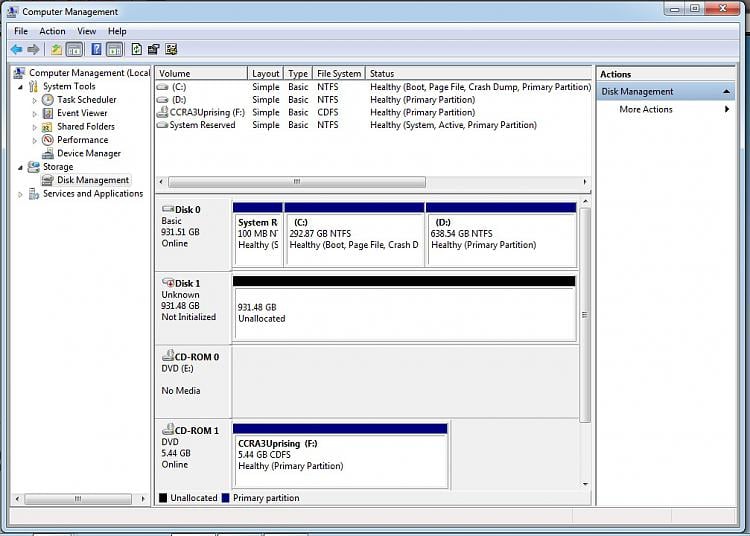
Assign Drive Letter. The other main reason is that the drive simply is not being recognized by Windows or Mac and therefore won’t even show up on your system at all. This is usually a problem with drivers or hardware. In order to figure out whether your problem is related to formatting or to not being recognized, go to Disk Management in Windows or Disk Utility on OS X and see if the drive shows up there. If the drive shows up here, but not in Windows Explorer, you might have to assign a drive letter to the disk. Normally, Windows does this automatically, but sometimes because of other connected devices, your external hard drive will be recognized, but not have any drive letter assigned to it. In Disk Management, just right- click on the disk and choose Change Drive Letter and Paths.
Pick a letter for your drive and you should be good to go. If the drive is showing, but you’re getting messages about the drive needing to be formatted, etc., then read the next section below. On Macs, the drive should automatically appear on the desktop. If not, go to Disk Utility and check to see if it appears under the heading External.
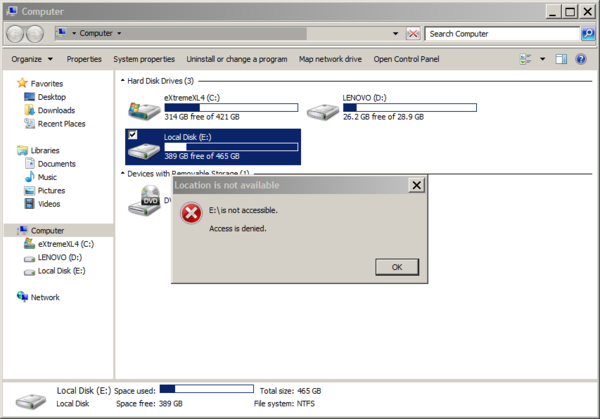
If the drive is showing here, but not on the OS X desktop, then click First Aid to try and repair the drive. If the drive has a file system not recognized by OS X, you’ll need to erase it and the format it using FAT or HFS+. If the drive is not showing up in Disk Management or Disk Utility at all, you have some other type of problem.
Scroll down to the Not Showing Up section below. Format Drive. When it comes to file formats, there are a couple of major formats that are used about 9. FAT3. 2 and NTFS for Windows and HFS+ (Mac OS Extended) for Macs. Now OS X can read and write to FAT3. NTFS volumes. Windows is worse in the sense that it cannot even read or write to HFS+ formatted volumes by default. You can get Windows to do it, but you have to purchase third- party software. The only other option is to format the hard drive and use the FAT3.
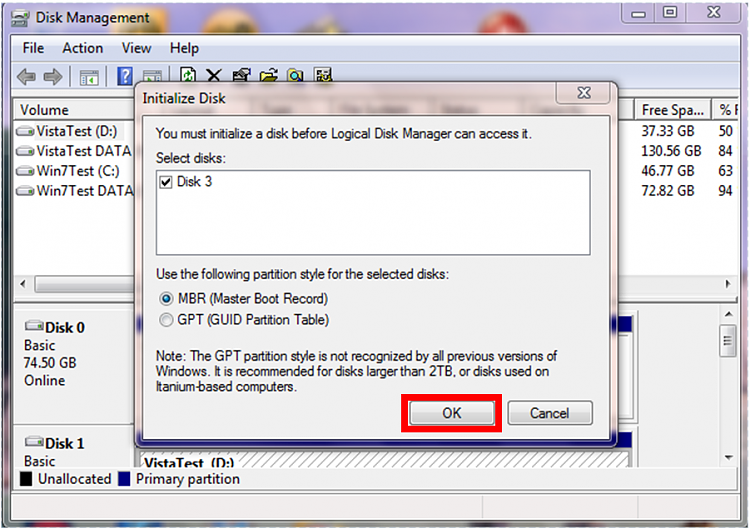
When you connect a HFS+ formatted drive to Windows, you’ll get a message stating that the drive needs to be formatted in order to be used. If you see this message, it just means that Windows does not recognize the file system on the drive. Make sure you connect the drive to the appropriate operating system and backup any data that you might need before performing a format. So what’s the best format to use so that you can see your hard drive on multiple operating systems? The legacy format that is most compatible is FAT3. GB for max file size. You can read my previous post on how to format an external hard drive using FAT3.
Trying to format a large external USB or Firewire hard drive to the FAT32 file system? Can’t do it? Only see an option for formatting the drive using the NTFS file. From Western Digital: This file contains the most up-to-date Disk Manager drivers for Windows 95 and Windows NT 3.5.1. This file fixes numerous issues, especially. Ben, Your laptop supports a 40 GB drive, so there shouldn’t be any problem with larger hard drives too. I believe you can safely install 60GB, 80GB, 100GB or 120GB.
Western Digital hard drives can become "locked," meaning that you will be unable to modify or delete any of the files that are currently installed to the drive. Mac or Windows computer not recognizing your external hard drive or flash drive? This is a common problem, especially when connecting hard drives between Mac OS X. Western Digital Free Driver Download . World's most popular driver download site.



If you need support for bigger files, then you should use the ex. FAT format. It’s newer and supports much larger files, but only works with newer versions of OS X and Windows. You’ll have to be running OS X Snow Leopard (1. Windows XP or higher. In Windows, you can choose ex. FAT as the file system format in addition to NTFS and FAT3. When you format a drive in OS X using Disk Utility, you can also choose the ex.
FAT format if you like. Drive Not Showing Up. If you connect the drive to the computer and nothing happens, one of several things could be going on: your hard drive might have a problem, the correct software or drivers are not installed on your system, or there is something not working properly with the operating system. Let’s start with some common problems and their solutions.
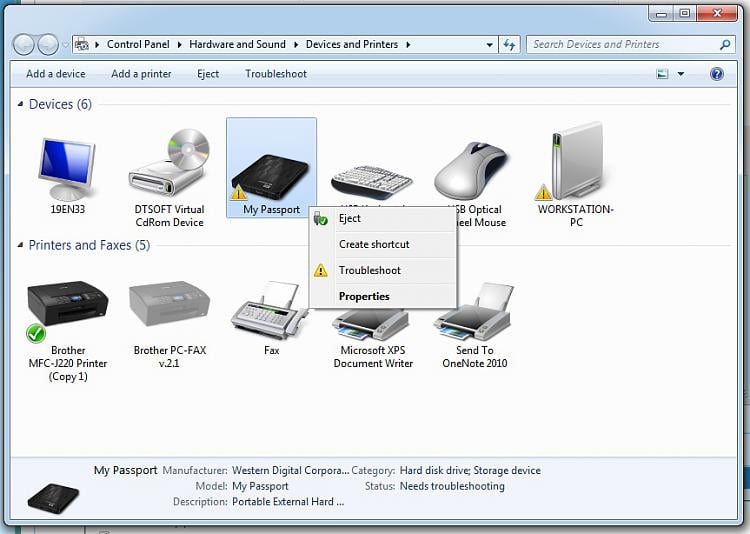
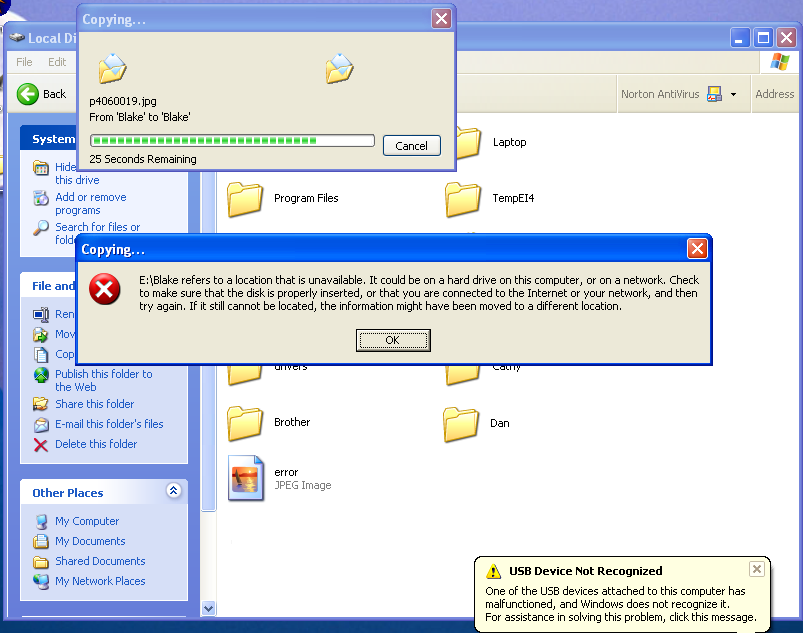
Windows – Device Manager. Sometimes old drivers can cause a device to malfunction when connected to Windows. You can try fixing this by first going to the command prompt (Start and type in CMD) and running the following command: set devmgr. Restart your computer and try to connect the hard drive again. In addition to Portable Devices, you can expand out Disk Drives and try to uninstall the device from there if it is not showing up properly in Windows Explorer. Windows – USB Device. If you connect your USB drive to Windows and get a USB Device Not Recognized error, make sure to check out the link on how to fix that particular problem.
Windows tries to blame the device for malfunctioning, but it’s normally a problem with Windows. USB Ports/Secondary PCYou can also try plugging the drive into another USB port on the computer to make sure it’s not a problem with that particular port. If you are connecting to a USB hub, disconnect that and try to connect the drive directly to the computer. The only way you can really tell if the problem is with the computer or the hard drive at this point is to connect the drive to another computer. If the drive doesn’t work on another computer, it’s highly likely something is wrong with the drive itself.
Fix : External USB Hard Disk drive not detecting / not working properly problem in Windows 8, 7, Vista & XP.
Drive Tools. If it appears that there is a problem with the drive itself, you can try to download the diagnostic tools from the drive manufacturer. Just about all the major brands like Seagate, Western Digital, Toshiba, etc., have these diagnostic tools. Western Digital Data. Lifeguard Diagnostic. Fujitsu (Toshiba) Diagnostic Utility. You can also read my previous post on checking your hard drive for errors for more information and more tools to test hard drives. If the drive has become corrupt or has bad sectors, these tools can fix it.
USB 3. 0 Drives. If you have a USB 3. Firstly, make sure you are using an appropriate cable. I’ve run into several clients that had this problem and fixed it by simply using a different USB cable.
So try out several cables before you give up. Secondly, you might need to update the driver in Windows. Again, go to Device Manager, expand Universal Serial Bus controllers, right click on the one that has USB 3.
Update Driver. Power Issues. The only other possibilities with this type of problem are lack of power or complete hard drive failure. Make sure the hard drive has the correct external power adapter and that the light on the front of the drive is turning on and is not orange or red. Also, try using different cables as some are able to carry more power than others. Hopefully, this article will help you get your external hard drive recognized by Windows or Mac. If not, post a comment and I’ll try to help.
How to physically connect, disconnect, and install a WD external drive on a Windows PC or Mac. Answer ID 5. 31. 6.
This article explains how to physically connect, disconnect, and install a WD external drive to a computer running Windows or Mac PC.*END. This article explains how to physically connect, disconnect, and install a WD external drive to a computer running Windows. Vista, and XP or mac. OS. Choose an operating system from the table below for specific instructions: If problems with disconnecting the drive occur, please see Answer ID 2. Unable to safely remove (unmount) a WD external drive in Windows for more information. Please select an Operating System (OS) from the table above to display instructions for your specific OS.
Windows 1. 0, Windows 8, Windows 7, Windows Vista, and Windows XPImportant information for all Operating Systems: Windows, Vista, 7, 8 and 1. Western Digital external hard drives. Consequently, Western Digital does not have, nor provides, drivers for the majority of external hard drives. If the OS reports that it cannot find a driver for the drive please see: Answer ID 1. How to update the drivers built into Windows and mac. OS. Newer WD external hard drives ship with either Windows NTFS or Mac HFS+ filesystems. Upon connecting to the computer, the external hard drive should be recognized and ready for use.
If the drive is not immediately recognized (or appears to be read only on a Mac), it is likely formatted for Windows PC. If this is the case it's best to reformat the drive. See Answer ID 3. 86. How to partition and format a WD drive on Windows and mac.
OS for assistance in reformatting your drive. Some drives ship formatted in Ex.
FAT in order to be compatible on both Windows and Mac computers. In most cases, simply connect the external hard drive to an available data port on the computer for it to be recognized. Network drives, will not show up in Disk Management (under Windows) or Disk Utility (under Mac OSX); nor can a network drive be re- formatted from the computer's OS. These drives are formatted in a Linux filesystem, and can be refomatted only through the built- in Network Storage Manager (with the exception of the older My Book World (Blue Rings) and Net.
Center drives which could not be refomatted at all). Important Windows information to know before getting started. My Book and My Passport drives that are sold as “Mac” drives, or are setup for a Mac file system, will not be recognized by any version of Windows OS. In order to make a drive compatible with a PC which is formatted for Mac, it's best to re- partition and re- format to a Windows filesystem in order for the drive to work on the Windows system.
See Answer ID 3. 86. How to partition and format a WD drive on Windows and mac. OS for assistance in reformatting the drive.
The user's computer may not look like the one pictured but they follow the same steps. If this is a Passport drive, there is no power adapter,please skip to steps 1 and 2. You can try a power strip or UPS but if you have problems with the drive, try connecting it to a wall outlet. Connect the power plug into the back of the drive. It's okay if the drive powers on, then off, or if you see some lights come on for a brief second. Connect the USB or Fire. Wire cable directly into your computer (do not use a USB or Fire.
Wire hub). If your drive has more than one port, only use one. Do not connect both the USB and Fire.
Wire together to the computer. Connect the other end of the USB or Fire. Wire cable into the external drive. The drive should then power on (you shouldn't need to use the power switch), if your computer is on, Windows should detect and install the native Windows drivers for your drive. If the drive is formatted for your computer system, it should show up in My Computer with a drive letter. How to disconnect the drive. Please follow the directions below to disconnect the external hard drive from a computer using USB 3.
USB 2. 0 or Fire. Wire. Smart. Ware does not support Thunderbolt drives. Locate and highlight the external hard drive in the list of available devices. When prompted, it's safe to unplug the data cable and/or power cable.
Wire together to the computer. Connect the other end of the USB 2. Fire. Wire cable into the external drive. The drive should then power on (you shouldn't need to use the power switch), if your computer is on, Windows should detect and install the native Windows drivers for your drive. If the drive is formatted for your computer system, it should show up in My Computer with a drive letter. Note. After the drive is installed, the user may receive a popup similar to the pictures below.
This is the Application Installer and will help you install software for your drive if there is software included. Please note that your Application Installer may look different depending on the drive purchased. You can also check the following Knowledge Base article: Answer ID 1.
How to update the drivers built into Windows and mac. OS. If the drive does not work on other computers, it's probable that the drive has been damaged, or has failed, and should be returned to the place of purchase. If you are unable to do so, and your drive is still under warranty you can replace it by following instructions in the following article: Answer ID 8: How can I replace a product under warranty? If the drive installs properly and you don't get an error, but the drive is not showing up in My Computer or Windows Explorer, then you may need to format the drive for Windows. Please see the Knowledge Base articles at the beginning for help formatting the drive. If you still have problems with the drive then you should Contact Us.
How to disconnect the drive. Please follow the directions below to disconnect the external hard drive from a computer using USB 3.
USB 2. 0 ,Fire. Wire, or Thunderbolt interface. You can unplug the USB or Fire. Wire cable and/or power cable at this time.
If problems with disconnecting the drive occur, please see Answer ID 2. Unable to safely remove (unmount) a WD external drive in Windows for more information. Sata Drives. How to connect and install the drive. Please follow the directions below to connect your external e. SATA hard drive to a PC computer system using e. SATA. During the boot process, the hard drive will power on automatically. Note. It may necessary to access the computer BIOS and ensure that the computer is booting to the original internal hard drive.
The computer will most likely have the ability to boot to this hard drive if it's connected through e. SATA. Consequently we do not have, nor do we provide drivers for the majority of our external hard drives. If your OS reports that it cannot find a driver for your drive please see: Answer ID 1. How to update the drivers built into Windows and mac. OS. WD external hard drives ship with either Windows NTFS or Mac HFS+ partitions. Upon connecting to the computer, the external hard drive should be recognized and ready for use.
If your drive is not immediately recognized (or appears to be write- protected on a mac), it is likely formatted for a different OS. If this is the case you will need to reformat the drive. See Answer ID 3. 86. How to partition and format a WD drive on Windows and mac. OS for assistance in reformatting your drive.
Some older external hard drives shipped with a FAT3. In most cases, you may simply connect the external hard drive to an available Fire. Wire or USB port on your computer for it to be recognized. For information regarding the limitations of the FAT3.
Answer ID 1. 28. 7: File and partition size limitations using the FAT3. Some newer drives ship with an Ex. FAT file system. This allows data to be read or written by both Mac and Windows computers, without the partition or file size limitations of FAT3. Network drives, will not show up in Disk Management (under windows) or Disk Utility (under mac.
OS); nor can you re- format them in your OS. These drives are formatted in a Linux format, and can be refomatted only through the built- in Network Storage Manager (with the exception of the older My Book World (Blue Rings) and Net. Center drives which could not be refomatted at all). Important Mac OSX information to know before you get started.
My Book and My Passport drives that are sold as “PC” drives, or are setup for a PC file system, will either not be recognized by mac. OS or will appear as a write- protected drive. In order to make a drive compatible with a Mac that is formatted for Windows, you will need to re- partition and re- format to a Mac OSX format before the drive will work on the Mac system. See Answer ID 3. 86. How to partition and format a WD drive on Windows and mac. OS for assistance in reformatting the drive.
However, you may need to register the drive in order to download any restricted software. With mac. OS 1. 0. Yosemite through 1. Sierra, it's best to use Time Machine as a backup solution. How to connect and install the drive.
Please follow the steps below on how to physically connect your drive to your computer. All USB, Fire. Wire, and Thunderbolt external drives can be connected to the corresponding port on the computer using the steps below. The user's computer may not look like the one pictured but they follow the same steps.
If this is a Passport drive, there is no power adapter,please skip to steps 1 and 2. It's okay if the drive powers on, then off, or if the lights come on for a brief moment.


/http%3A%2F%2Fwww.lamaisoninfo.com%2Fcatalog%2Fimages%2Fproducts%2Fantennes-wifi%2Freseautique%2Ftplink_wn8200nd.jpg)
/http%3A%2F%2Fwww.llmstudy.com%2Ffiles%2Fprofile%2Fgroningen_university_law%2Fgrogingen_law_students_pic.jpg)
/http%3A%2F%2Fi191.photobucket.com%2Falbums%2Fz193%2Fudaramaya%2Fver146.jpg)
/http%3A%2F%2Fkb.epson-europe.com%2Fpf%2F12%2Fwebfiles%2FArticle%20Images%2FOperating%20Systems%2FWin%2095%20-%2098%20-%20ME%2FPrinter%20Driver%2FWin9x-Main_Adv-Black_ink_only.png)